
The Invisible Toll: Isang Sulat Para sa Working Juan Tungkol sa Totoong mga Challenges ng Pagsisikap
Pansin mo ba na habang lumiliit ang sahod, palaki nang palaki ang kaltas? Uupo ka na lang sa gabi pag-uwi, maghuhubad ng sapatos, tapos mapapaisip: Bakit parang ang hirap-hirap namang mabuhay? Bibili ka ng tingi-tinging shampoo at kape kasi yun lang ang kasya sa budget, pero kung susumahin, mas mahal pa pala siya sa malaking bote ng mga mayayaman. Babangon ka ng madaling araw para bumiyahe, habang yung mga executive, tulog pa sa condo nilang 5 minutes away sa opisina. You are paying for your distance and survival with your sleep, your energy, and your time with your family. Pero bago ka sumuko, pakinggan mo 'to. Hindi ka na-define ng mga pila na pinapasukan mo o ng mga kaltas sa payslip mo. Paano ba natin lalabanan ang "Tingi Trap" at ang sistemang ito? Isang sulat para sa mga pagod pero patuloy na lumalaban. Basahin ang buong kwento dito:
SOCIAL COMMENTARY AND WORKFORCEWORKPLACE REALITIES
CCII
4/17/20264 min read
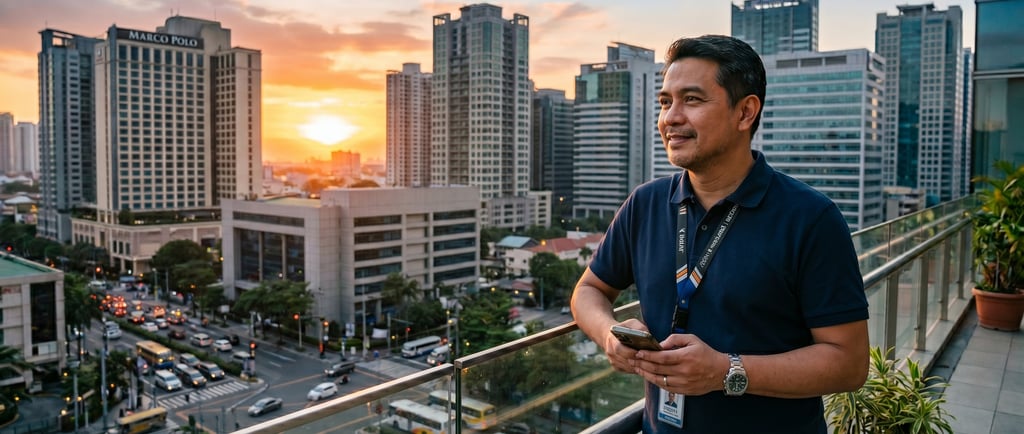
Upo muna tayo. Take a breather. Hubarin mo muna yung sapatos mo, ibaba ang bag, and let the sheer exhaustion of the daily grind settle.
May nabasa akong article recently, and honestly, it struck a chord. Tinumbok niya yung isang harsh, quiet truth about how the system works here in the Philippines: ang mahal-mahal maging mahirap, tapos ang daling makatipid kapag mayaman ka.
The example was painfully simple, pero sapul na sapul. Imagine this: a wealthy executive sitting in an air-conditioned office can transfer ₱50,000 via Instapay, and the bank will charge him a mere 10 pesos. Minsan, if they maintain a massive balance, waived pa yung fee entirely. They give him a premium account, a dedicated relationship manager, at may libreng kape pa sa lounge kapag bumisita siya sa branch.
Meanwhile, tingnan natin ang working Juan—isang construction worker, isang BPO agent, o kaya security guard na kakatapos lang ng nakakapagod na 15-day cycle. Kailangan niyang magpadala ng ₱2,000 sa probinsya pambayad ng tuition ng anak. Pipila siya sa Palawan Express o sa local remittance center, nakatayo under the scorching heat. And for the privilege of sending his hard-earned cash, sisingilin siya ng ₱50 or more.
₱50,000 moved for ₱10. ₱2,000 moved for ₱50.
Kapag kinompute mo yung math, nakakabigat ng dibdib. It feels rigged, hindi ba? And as someone who has spent over a decade and a half observing the workforce—analyzing the raw data behind recruitment, payrolls, and the daily grind of the Filipino worker—I can tell you right now: your frustration is completely valid. It’s a systemic paradox. Kung kailan mas konti ang pera mo, mas malaki ang sisingilin sa'yo ng sistema para lang makagalaw ka.
Nakikita natin 'tong "invisible tax" na 'to everywhere, hindi lang sa remittances. We see it deeply embedded in our tingi-tingi culture. The working class buys cooking oil, shampoo, pati infant formula in small sachets kasi yun lang ang abot ng daily budget. But if you calculate it ounce for ounce, those sachets cost significantly more than the bulk bottles sitting comfortably in the pantries of the upper middle class.
We see it vividly sa commute. Think about the early morning rush. Isipin mo yung biyahe pababa mula sa Rizal, winding through gridlocked traffic for hours just to make it to a shift in Ortigas or Makati. The executive buys back his time by living in a high-rise condo just five minutes away from the office. Ang working Juan? He pays for his distance with his sleep, his energy, and his precious time with his family. Time is the ultimate currency, at napipilitan ang working class na ubusin ito araw-araw just to survive.
If you are reading this and you feel the heavy weight of that reality, I want to speak to you not just as an HR professional or an observer, but with the heart of a father.
It’s so easy to look at this disparity and let cynicism take over. Madaling maging bitter kapag parang naka-design yung sistema para panatilihin kang nakalubog. But I need you to listen to me closely: Do not let the unfairness of the game rob you of your dignity, and definitely do not let it extinguish your drive.
Yes, the system is flawed. Pero hindi ka na-dedefine ng mga transaction fees na binabayaran mo o ng haba ng mga pila na tinitiis mo. You are defined by the resilience it takes to stand in those lines anyway—to provide, to build, and to keep pushing forward. There is a profound, quiet nobility in honest work. Some of the most enduring legacies in this country—whether it’s a highly respected family name, a heritage business that spans decades, or a child who finally graduates and breaks the cycle of poverty—were forged not in convenience, but in the fires of sheer necessity and grit.
So, paano ba natin ito lalabanan? How does the working Juan push back against this invisible tax? Here is how we start taking control:
First, we must be radically intentional with our financial literacy. Nakatago ang rules of the game, so you need to seek them out actively. The transition to digital banking is no longer just a trend; it's a survival mechanism. While traditional remittance centers are accessible, strive to bring your family into the digital fold. Turuan niyo ang mga kamag-anak niyo na mag-open ng basic deposit accounts (which the BSP now mandates banks to offer with zero maintaining balance). Guide them on how to use digital wallets safely. The goal here is to maneuver yourself into the spaces where those heavy fees drop.
Second, escape the "tingi trap" wherever humanly possible. I know it requires immense discipline, but pooling your resources to buy in bulk—even if it's just for non-perishable essentials like bigas, sabon, or canned goods—is a definitive step toward reclaiming your margins. It might seem like a small shift in your cash flow, pero it is a massive shift in mindset. You are transitioning from day-to-day survival to week-to-week, and eventually month-to-month planning.
Third, protect and upgrade your professional and digital footprint. In today's highly competitive landscape, your skills are your ultimate leverage. The world is pivoting rapidly toward digital infrastructure, automation, and specialized knowledge. Whatever your trade is, you have to find the "next level" of it. Upskill relentlessly. The more specialized your expertise becomes—whether that's in technical trades, management, or digital security—the more you insulate yourself from being treated as an easily replaceable cog in the corporate machine.
Finally, always remember your "Why." The daily grind is brutally hard. Ang commute, walang patawad. Ang makita ang mga deductions sa payslip tuwing kinsenas at katapusan, masakit sa mata. But beneath all of that is the core reason why you wake up way before the sun. It is for your family. It is for the future you're building. It’s for the pride of knowing that every single grain of rice on your table was put there by your own two hands, fairly and squarely.
You are far stronger than the system that tries to nickel and dime you. The rich may have their premium accounts and their waived fees, but the working Juan possesses an unmatched resilience, a street-smart adaptability, and a depth of character that cannot be bought, transferred, or inherited.
Keep your head up. Keep learning the rules of the game so that one day, you can rewrite them entirely for your children. The road is steep, at mahaba pa ang biyahe, but every single step you take paves the way for the generation that comes after you.
You are doing a good job. Laban lang. Keep going.
Let's talk
careers@agileassisthr.com