On Wars and Rumors of Wars
Feeling the squeeze at the gas pump? Read on to discover practical "ipit bulsa" (frugality) strategies and how Filipino resilience can help us thrive despite rising prices and economic uncertainty caused by global conflicts.
SOCIAL COMMENTARY AND WORKFORCEWORKPLACE REALITIES
CVCII
3/10/20263 min read

On Wars and Rumors of Wars
The phrase "wars and rumors of wars" carries a weight that transcends its ancient origins. In our modern context, it is no longer just a theological warning; it is a daily headline. Whether it is a conflict on the other side of the globe or the simmering tensions in our own backyard, the ripples of war reach the Philippine shores long before any physical vessel does. They arrive first in the form of anxiety, and second, in the price of a liter of fuel.
The Domino Effect: Oil and Anxiety
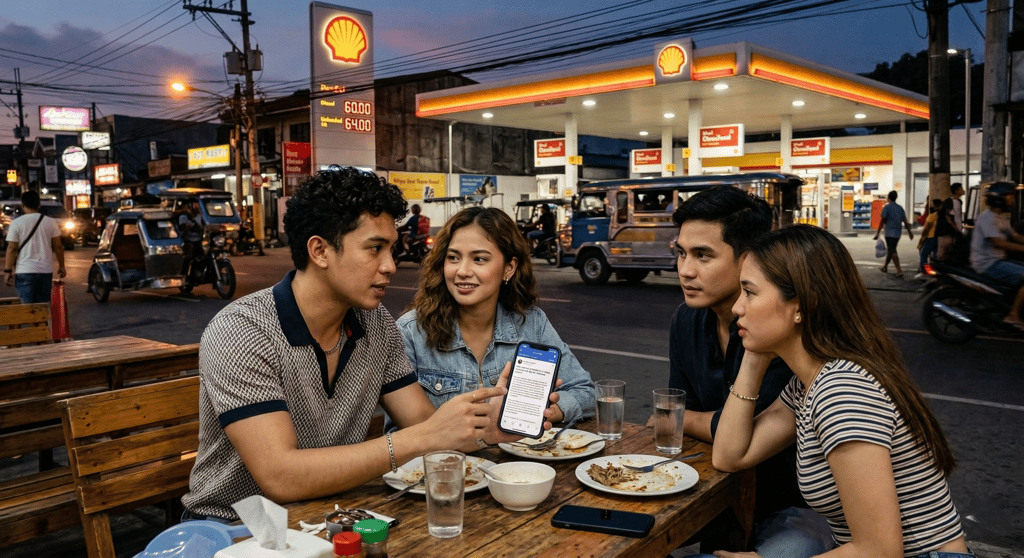
For the Filipino people, the most immediate "rumor of war" is the digital board at the gas station. We are a nation powered by mobility. When global oil supplies are threatened by geopolitical instability, the impact is a relentless domino effect. It begins with the vehicle owner and the transport operator, but it quickly migrates to the dinner table.
Panic buying is a natural, albeit frantic, response to this uncertainty. When we see long lines at the pumps, it is an expression of a deep-seated fear: the fear of being immobilized and the fear of being unable to afford the journey to work or the delivery of goods. However, panic is rarely a good financial advisor. It drives prices higher, creates artificial scarcity, and fuels a cycle of inflation that hits the most vulnerable sectors of our society the hardest.
The Greater Impact on the Filipino Spirit
The true cost of a "bad economy" is not just measured in pesos, but in the erosion of peace. For the working class and small business owners, the constant fluctuation of prices creates a "survival mode" mentality. This state of mind makes it difficult to plan for the future, to invest in growth, or to find rest. We become a people focused entirely on the "now" because the "tomorrow" feels too expensive to contemplate.
Yet, history has shown that the Filipino spirit is uniquely calibrated for resilience. We have a long tradition of diskarte—the ability to find a way when there seems to be none. To thrive despite the rumors of war, we must move from panic to preparation.
The "Ipit Bulsa" Strategy: Thriving Through Discipline
To "ipit bulsa" (tighten the belt) is not merely about deprivation; it is about the strategic stewardship of resources. In an economy influenced by global volatility, our financial defense must be as disciplined as any military strategy.
Audit the "Leaks": Before cutting the essentials, look for the small, recurring expenses that drain your accounts. In a digital age, these are often forgotten subscriptions or convenience fees. Every peso saved is a peso that can be redirected toward the rising cost of fuel or food.
Prioritize the "Main Line": For business operators and heads of households, focus on the core. If you are in logistics or food production, efficiency is your greatest ally. Consolidate trips, optimize routes, and reduce waste.
The Emergency Buffer: While it feels counterintuitive to save when prices are high, even a small, consistent "tabi" (setting aside) creates a psychological and financial buffer. This prevents you from having to take high-interest loans when the next "rumor" hits the market.
Avoid the Herd Mentality: When the news cycle suggests a shortage, take a breath. Panic buying usually results in buying at the peak price. Practice "calm consumption"—buying only what is needed to maintain operations without contributing to market hysteria.
Finding Peace Amidst the Noise
Reflectively, we must remember that while we cannot control the "wars" or the "rumors," we can control our response to them. Wealth is often defined by what we have, but in a struggling economy, true wealth is defined by what we can live without and how well we manage what remains.
There is a profound peace in knowing that your house is in order, even when the world is not. By practicing ipit bulsa today, we are not just surviving; we are building a foundation of discipline that will allow us to thrive when the seasons eventually change. We must look past the headlines and focus on the ground beneath our feet—our families, our local communities, and our daily work.
The rumors may persist, and the prices may climb, but the Filipino capacity for endurance remains our most valuable currency.
What is your best "ipit bulsa" tip for handling the rising cost of living? Share your diskarte in the comments below to help others in our community!
Let's talk
careers@agileassisthr.com